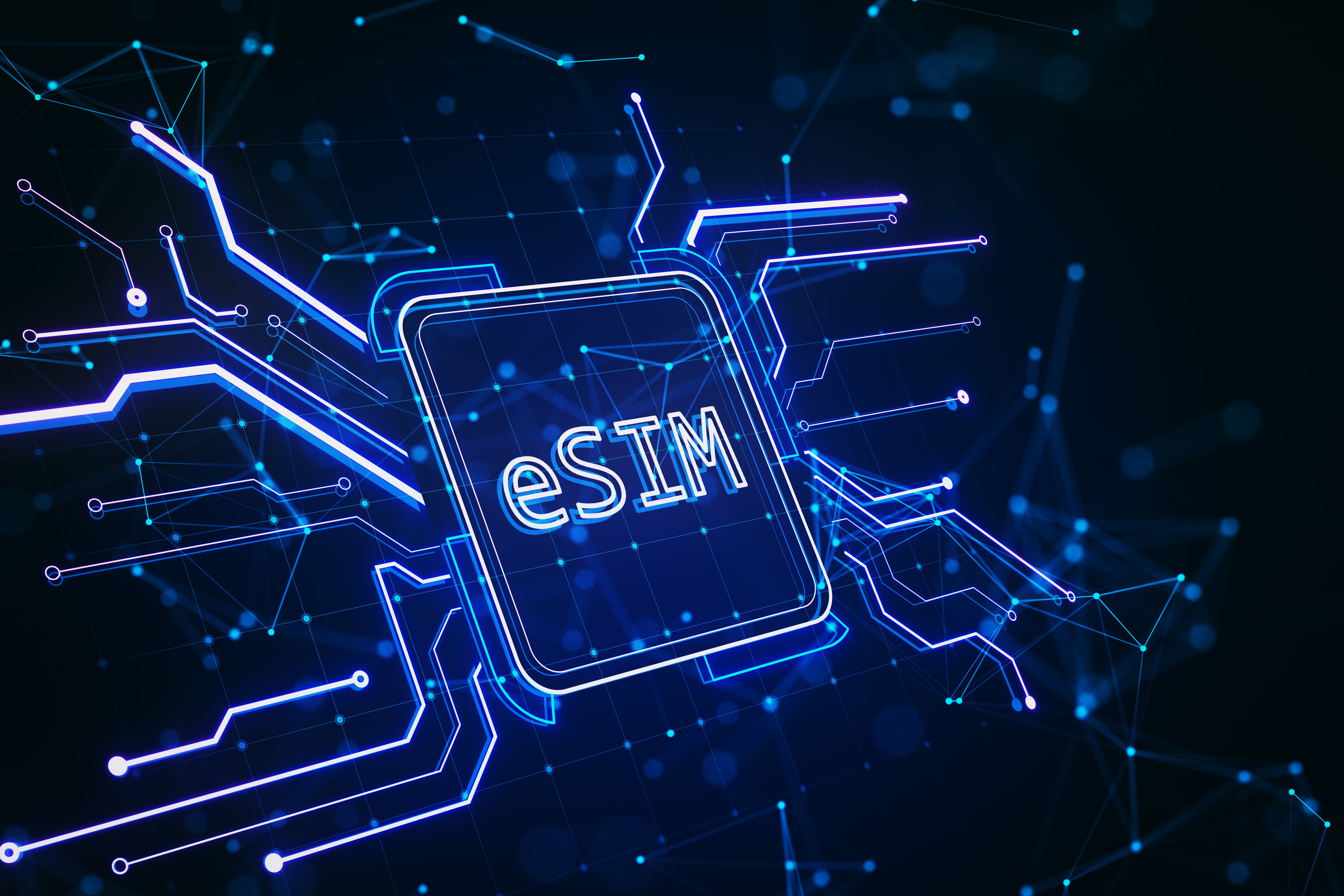
An eSIM, or embedded SIM, is a digital version of the traditional physical SIM card that connects your device to a mobile network. Instead of being a removable card, the eSIM is built directly into the device's hardware, allowing users to switch carriers or plans without the need to change the SIM physically.
How does eSIM work?
Remote Provisioning: The eSIM technology enables mobile operators to remotely provision a subscriber's identity. This means that you can activate a mobile plan over the air, eliminating the hassle of needing a physical card.
Multiple Profiles: With eSIM, users can store multiple mobile profiles on one device. This feature allows seamless switching between various carriers or data plans, ideal for travelers or those seeking better deals.
Increased Security: eSIM offers enhanced security features, making it less susceptible to physical damage or theft, as there's no physical card to lose or replace.
Benefits of eSIM
Convenience: Switch networks without visiting a retail store.
Space Saving: Free up space within your device for additional components.
Sustainability: Reduce plastic waste, as eSIMs do not require physical packaging.
In summary, an eSIM fundamentally changes how we connect to mobile networks, providing flexibility, convenience, and a greener alternative to traditional SIM cards.
Differences Between eSIM and Physical SIM
Understanding the distinctions between eSIM and physical SIM cards is crucial for making informed decisions about mobile connectivity. Here’s a breakdown of the key differences:
Feature
eSIM
Physical SIM
Form Factor
Embedded inside the device
Removable card
Activation
Remote provisioning via OTA
Requires physical installation
Capacity
Can store multiple profiles
Typically holds one profile
Flexibility
Easily switched between carriers
Time-consuming switch process
Durability
More durable, less prone to damage
Vulnerable to physical damage
Usage
Ideal for IoT devices
Common in smartphones and tablets
Key Points to Consider
Convenience: eSIM eliminates the need to handle small, physical cards. You can switch carriers seamlessly with just a few clicks on your device.
Environmental Impact: By choosing eSIM, you contribute to reducing plastic waste from manufacturing physical SIM cards.
Future-ready: With many new devices adopting eSIM technology, embracing this change prepares you for future telecommunications advancements.
In summary, while physical SIMs have served their purpose well, eSIM represents a more efficient, sustainable, and flexible alternative that meets the needs of today's tech-savvy consumers.
Advantages of Using eSIM
eSIM technology offers several advantages over traditional physical SIM cards, enhancing flexibility and convenience for users. Here are some key benefits of utilizing eSIM:
Convenience: With eSIM, you can switch between multiple carriers without needing to physically swap SIM cards. This means you can easily switch plans or providers with just a few taps on your device.
Space-Saving Design: Because eSIM is embedded in your device, it eliminates the need for a SIM card slot. This frees up space within your device for additional features or a more compact design.
Dual SIM Capability: Many devices support dual SIM functionality via eSIM, allowing you to maintain both a personal and a business number seamlessly. This flexibility helps you manage communications more effectively.
Remote Provisioning: eSIM allows for remote activation and management through your carrier. Thus, you can activate your mobile service without visiting a store, saving time and effort.
Enhanced Security: eSIM technology can be more secure than physical SIM cards. This ensures that sensitive information is less vulnerable to theft or loss.
In conclusion, eSIM technology not only streamlines your mobile experience but also provides added security and flexibility. Embracing eSIM can significantly enhance how you manage your mobile connectivity.
Can You Use eSIM Without a Physical SIM?
Yes, you can use eSIM without a physical SIM. In recent years, eSIM technology has gained traction, allowing users to switch mobile networks without the need for a physical SIM card. Here’s how it works and what you need to know:
What is eSIM? eSIM, or embedded SIM, is built directly into your device. This eliminates the need for a physical card, enabling a seamless activation process.
Compatible Devices: Ensure your smartphone or device supports eSIM functionality. Most flagship models from major manufacturers, such as Apple, Samsung, and Google, now include eSIM capabilities.
Carrier Support: Check if your mobile carrier offers eSIM services. Many carriers now provide the option to activate a plan via eSIM, making it easily accessible.
Flexibility: With eSIM, you can have multiple mobile plans on a single device. This feature is especially beneficial for travelers who want to switch networks without the hassle of changing physical cards.
Easy Switching: You can conveniently switch between carriers or plans using a few taps on your device, enhancing your mobile experience.
Using eSIM without a physical SIM offers flexibility and convenience, making it an appealing option for today's mobile users.
Requirements for Using eSIM Alone
To successfully utilize an eSIM without a physical SIM card, ensure you meet the following requirements:
Compatible Device:
Not all devices support eSIM technology. Check that your smartphone, tablet, or wearable device is eSIM compatible. Popular brands like Apple, Google, and Samsung have models that support eSIM.
Carrier Support:
Your mobile carrier must offer eSIM services. It's essential to confirm with your provider whether they support eSIM activation and if they have a specific plan for eSIM users.
Stable Internet Connection:
Setting up your eSIM requires a stable internet connection. Whether through Wi-Fi or another data source, it facilitates the activation process.
QR Code or Activation Code:
Your mobile carrier typically provides a QR code or activation code to set up your eSIM. Make sure to have this readily available during installation.
Software Updates:
Ensure your device runs the latest software version. Manufacturer updates often improve compatibility and functionality for eSIM users.
Once you meet these requirements, you can seamlessly enjoy the advantages associated with using an eSIM exclusively, allowing for greater flexibility and convenience.
Setting Up eSIM on Your Device
Setting up an eSIM on your device is a straightforward process that enables you to take advantage of its many benefits. Follow these simple steps to get your eSIM up and running:
Check Device Compatibility: Ensure your device supports eSIM functionality. Most recent smartphones, tablets, and smartwatches come equipped with this feature.
Obtain an eSIM Activation Code: Contact your mobile carrier to request an eSIM activation code. This usually comes in the form of a QR code.
Back Up Your Existing Data: Before making any changes, back up your current settings and data to avoid any potential loss.
Access eSIM Settings:
For iOS: Go to Settings > Cellular > Add Cellular Plan.
For Android: Navigate to Settings > Network & internet > Mobile network > Add carrier.
Scan the QR Code: Use your device’s camera to scan the QR code provided by your carrier. Alternatively, you may need to enter details manually if prompted.
Activate the eSIM: Follow the on-screen instructions to complete activation. Make sure to select your eSIM as the primary line if you’re using dual SIM functionality.
Test Your Connection: After setup, test your mobile connection by attempting to make a call or browse the internet.
With these steps, you can efficiently set up and enjoy the benefits of eSIM on your device. This process not only streamlines mobile connectivity but also provides a flexible option without needing a physical SIM card.
Common Issues When Using eSIM Exclusively
While the eSIM technology offers incredible benefits, users may encounter certain challenges when relying solely on an eSIM. Here are some common issues:
Device Compatibility: Not all devices support eSIM. Ensure your phone, tablet, or smartwatch is compatible before making the switch. Check the specifications to avoid frustration.
Limited Carrier Support: Some carriers still do not support eSIM, limiting your choices. Research regional providers to find those that offer eSIM services.
Activation Difficulties: Activating an eSIM can be complex. Users might encounter issues with scanning QR codes or entering activation details. Follow the provided instructions closely to ensure a smooth setup.
Network Switching: Transitioning between networks can sometimes result in connectivity delays. Moving from one provider to another may require additional verification, leading to temporary service interruptions.
Data Transfer: If you switch devices, transferring your eSIM data can be cumbersome compared to a physical SIM. You may need to contact your carrier for assistance, especially if the new device lacks immediate eSIM activation.
Emergency Services: In certain regions, there might be limitations on emergency services with eSIM. Verify your device will connect to local authorities in case of emergencies.
Understanding these common issues will help you navigate the eSIM landscape more effectively, ensuring a seamless experience as you embrace this cutting-edge technology.
Future of eSIM Technology
The future of eSIM technology appears promising as it continues to reshape the telecommunications landscape. Here are some key trends and potential developments:
Widespread Adoption: Major smartphone manufacturers and network carriers are increasingly integrating eSIM capabilities into their devices. This trend will likely lead to more users opting for eSIM over traditional physical SIM cards.
Increased Flexibility: eSIM technology enables users to switch networks easily. This flexibility could lead to more competitive pricing among carriers, as consumers can change providers without the hassle of obtaining a new SIM card.
IoT Expansion: The rise of the Internet of Things (IoT) will further drive eSIM adoption. Many IoT devices, such as wearables and smart appliances, can benefit from eSIMs due to their smaller size and ability to connect seamlessly without physical SIM constraints.
Enhanced Security: eSIMs offer improved security features, which will be crucial as cyber threats evolve. With built-in encryption and better remote management capabilities, users can expect a more secure mobile experience.
Standardization Efforts: The industry is moving towards standardizing eSIM technology, promoting interoperability among devices and carriers, which will pave the way for global connectivity.
As these trends align, eSIM technology is set to revolutionize how we connect and communicate, making it a cornerstone of future mobile and IoT ecosystems.
Conclusion: Is eSIM for You?
As you consider transitioning to an eSIM, it's essential to weigh the benefits and limitations of this technology. The eSIM offers a range of advantages, which can enhance your mobile experience. Below are key points to help you determine if an eSIM is the right choice for you:
Advantages of eSIM:
Flexibility: Easily switch between carriers without needing a physical SIM card.
Space-saving: Devices can be slimmer without the physical SIM card slot.
Remote Provisioning: Configure plans over the air, making it convenient to manage your mobile service.
Considerations:
Device Compatibility: Ensure your device supports eSIM technology; most modern smartphones do.
Carrier Support: Confirm that your mobile carrier offers eSIM services, as adoption varies.
Travel Needs: If you frequently travel, an eSIM can simplify connecting to local networks without needing a new SIM card.
Ultimately, the eSIM may be ideal for tech-savvy users who prioritize flexibility and convenience. Conversely, if you prefer the traditional physical SIM approach or face limitations with carrier support, you might want to stick with what you know.
In conclusion, evaluate your lifestyle, travel habits, and device capabilities to decide if transitioning to an eSIM aligns with your needs. The future of mobile technology is leaning towards eSIM, and embracing it could enhance your connectivity experience.
Frequently Asked Questions
What is an eSIM and how does it differ from a physical SIM?
An eSIM, or embedded SIM, is a digital version of a traditional physical SIM card. Unlike the physical SIM which can be removed and replaced in a device, eSIM is embedded directly into the device's hardware. This allows users to switch carriers and manage multiple profiles without needing to physically swap a SIM card. eSIM technology enhances convenience by enabling over-the-air activation and reduces the need for physical products, thereby minimizing waste.
Can I activate an eSIM without having a physical SIM card?
Yes, it is entirely possible to activate an eSIM without a physical SIM. If your device supports eSIM and you have a carrier that offers eSIM plans, you can directly download your eSIM profile from the carrier's website or app. This means you don’t need to purchase or insert a physical SIM card, making it a versatile option for users who frequently travel or want to manage multiple phone numbers without carrying different SIMs.
Are all smartphones compatible with eSIM technology?
No, not all smartphones are compatible with eSIM technology. While many newer models from major brands like Apple, Google, and Samsung support eSIM, older devices and some budget models may not. To determine if your smartphone is eSIM-compatible, check the manufacturer's specifications or settings. Furthermore, your carrier must also support eSIM for it to function properly, so it's essential to ensure both device compatibility and carrier support.
What happens if I lose my phone that uses an eSIM?
If you lose your phone that uses an eSIM, you can still maintain control over your mobile number. Most carriers provide a way to deactivate the eSIM via their online services or customer support. You can also transfer your eSIM profile to a new device if you have previously downloaded it or obtained a QR code for activation. It’s advisable to reach out to your carrier immediately to secure your account and discuss options for reactivation.
Can I use eSIM while traveling internationally?
Yes, using eSIM while traveling internationally can be very convenient. With eSIM, you have the ability to download local data plans from different carriers in the country you are visiting, thus avoiding expensive roaming charges. Many travelers opt to purchase local eSIM packages that allow them to have internet access as soon as they arrive, which provides flexibility and often reduced costs compared to traditional physical SIM options.
Explore our eSIM options. Enjoy your vacation to the fullest.
We use cookies to improve your browsing experience, deliver personalized ads or content, and analyze our traffic. By clicking “Accept All” you agree to our use of cookies.
Our website stores four types of cookies. At any time you can choose which cookies you accept and which you refuse. You can read more about what cookies are and what types of cookies we store in our Cookie Policy.
are necessary for technical reasons. Without them, this website may not function properly.
are necessary for specific functionality on the website. Without them, some features may be disabled.
allow us to analyse website use and to improve the visitor's experience.
allow us to personalise your experience and to send you relevant content and offers, on this website and other websites.


























 English
 Deutsch
 Español
 Français
 Italiano
 Português
 Türkçe
 Русский
 العربية
 हिन्दी
 中文(简体)
 日本語