



 All gift cards
 Ecommerce
 Prepaid Cards
 Phone Refills
 Games
Games
 Shopping
 Groceries
 Apparel
 Retail
 Music
Music
 Travel
 Entertainment
 Electronics
 Streaming
 Home
Home
 Food
Food
 Automobiles
 Experiences
 Health & Beauty
 VoIP
VoIP
 Pets
Pets
 Data
Data
 Bitcoin
 Other products

 English



How to Maximize International Roaming Savings: eSIMs vs. Traditional SIM Cards in 2025
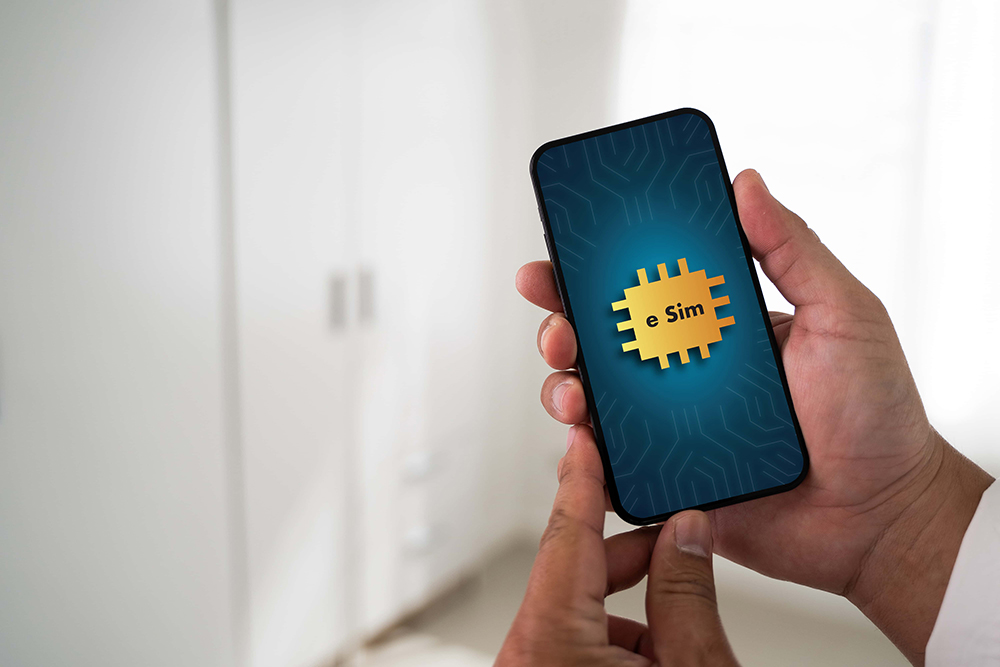
In an increasingly connected world, traveling abroad often comes with the hassle of hefty roaming charges. Whether you're a digital nomad, a business traveler, or a vacationer, understanding how to achieve International Roaming Savings is crucial. With the rise of technology, the debate between eSIM vs Traditional SIM cards has taken center stage, offering travelers new ways to stay connected. But which option truly allows you to save money on roaming, and what steps can you take to make smarter choices? In this post, we’ll break down the essentials of how to save on international roaming charges, compare the costs of eSIMs and traditional SIMs, and share actionable tips to keep your travel communication budget-friendly. Plus, we’ll look ahead to the future of roaming in 2025 and explore how these trends could redefine global connectivity. Let’s dive in!
Understanding International Roaming Charges
What are international roaming fees?
International roaming fees are the charges you incur when using your mobile device outside your home country. These fees apply to essential services such as making calls, sending texts, and accessing mobile data through a foreign network. Mobile providers charge these fees due to agreements with international telecom operators, which allow your device to stay connected while traveling. Although useful, roaming fees can accumulate quickly and become a costly inconvenience if not managed properly.
How roaming charges impact travel expenses
Roaming fees can significantly inflate your travel costs, especially for frequent international travelers. Unknowingly using data-heavy apps, making long calls, or replying to numerous texts can lead to unwelcome surprises in your phone bill. Even seemingly minor activities, such as browsing social media or emails, rack up charges quickly. To save money on roaming, consider alternatives like purchasing local SIM cards or opting for an eSIM plan instead. By understanding these expenses upfront, you can budget effectively and avoid overspending.
Common misconceptions about roaming costs
- Unlimited data plans cover roaming costs: Many people believe their unlimited domestic data plan extends internationally. This is rarely the case, and you may still face steep charges.
- Wi-Fi eliminates all roaming fees: While Wi-Fi usage itself is free, certain apps default to mobile data when the connection drops—leading to unexpected charges.
- Roaming costs are unavoidable: With options like eSIM technology, users have more flexibility than ever to reduce or eliminate these fees. Comparing eSIM vs Traditional SIM options can further ensure better cost efficiency.
| Misconception | Reality |
|---|---|
| Unlimited plans include roaming | Most plans exclude, or limit, roaming data. |
| Wi-Fi avoids all costs | Some apps and services may switch to data. |
| Roaming is non-negotiable | Alternatives like eSIM help reduce costs. |
By debunking these myths and exploring viable alternatives, you can learn how to save on international roaming charges and make smarter financial decisions during travel.
What Are eSIMs and Traditional SIM Cards?
Definition and Differences Between eSIM and Physical SIM Cards
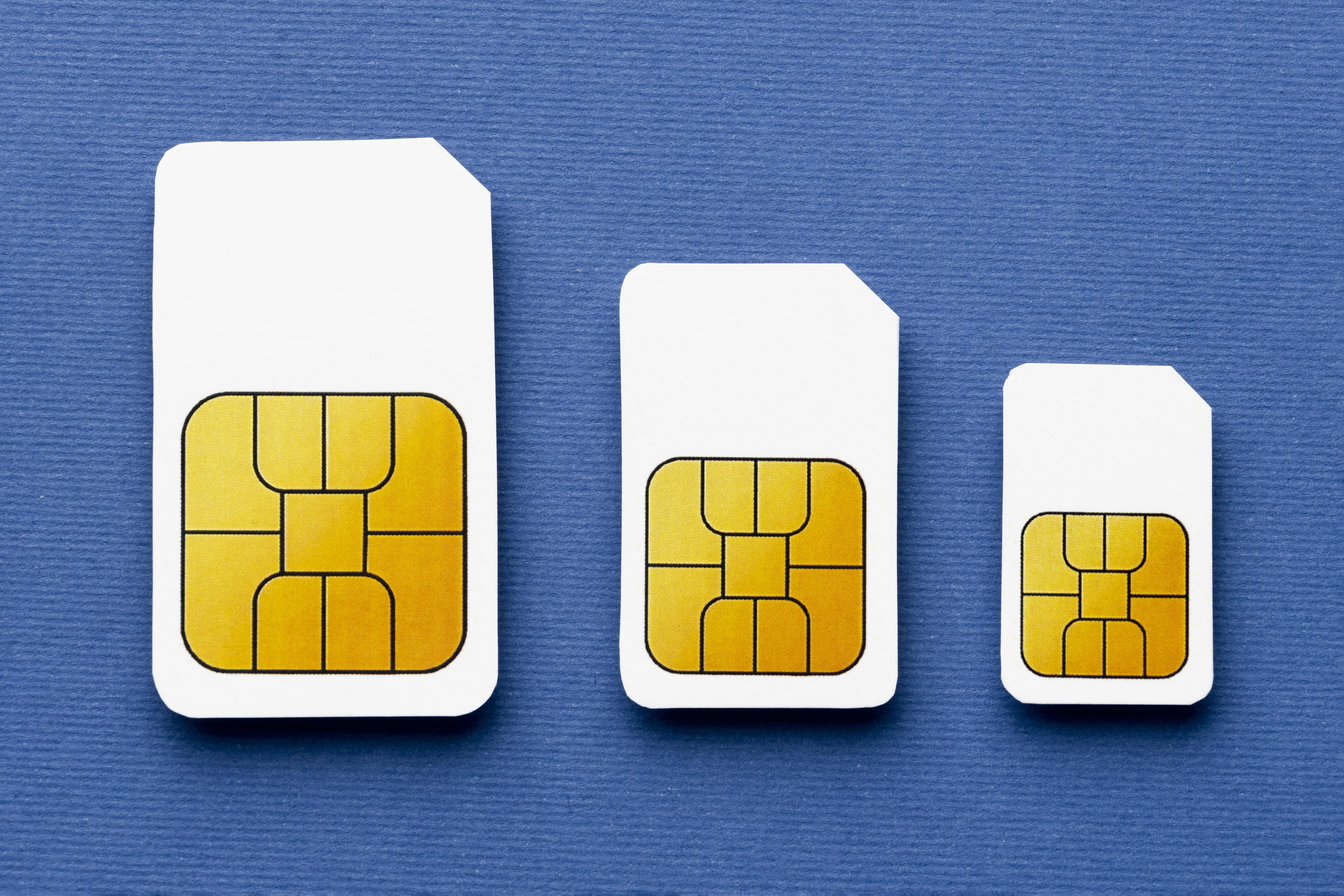
A Traditional SIM card is a physical chip inserted into your phone to connect to a mobile network. These small, removable cards store essential information like your phone number and carrier details. In contrast, an eSIM (embedded SIM) is a digital SIM that’s built directly into your device. It performs the same function as a physical SIM but eliminates the need for physical swapping.
One key difference is flexibility. While traditional SIMs require physical handling to switch networks, eSIMs allow users to easily switch carriers or plans through software, often from their device settings. Think of eSIM technology as the evolution of connectivity that takes convenience to the next level.
| Feature | Traditional SIM Cards | eSIMs |
|---|---|---|
| Physical Form Factor | Yes | No |
| Swapping Between Carriers | Manual/Physical Removal | Software-Based |
| Storage for Multiple Plans | Limited to One Plan | Supports Multiple Profiles |
Compatibility and Availability in 2025
By 2025, most flagship smartphones, smartwatches, and tablets support eSIM technology, marking a shift in global connectivity trends. Major carriers worldwide continue to expand their eSIM support, while traditional SIM slots are gradually being phased out of premium devices. However, budget-friendly phones still cater to traditional SIM users, ensuring transitional compatibility. Countries with advanced telecommunications infrastructures, such as the U.S., Europe, and parts of Asia, lead in adopting eSIM-enabled devices.
Benefits of eSIMs Over Traditional SIMs
eSIMs excel in flexibility. Travelers can activate local carriers instantly, bypassing the hassle of purchasing physical SIM cards upon arrival. Additionally, the ability to store multiple mobile profiles allows users to toggle between work and personal numbers effortlessly. Users focused on how to Save Money on Roaming also benefit, as eSIMs offer access to international roaming packages that are often cheaper than traditional counterparts.
Moreover, the absence of physical handling makes eSIMs more durable and eco-friendly, reducing plastic waste. This innovation brings convenience while steering users toward smarter, sustainable solutions, whether comparing eSIM vs Traditional SIM for their next trip or embracing the future.
Cost Comparisons: eSIM vs. Traditional SIM for Roaming
Upfront and Hidden Costs of Traditional SIMs
Traditional SIM cards often come with several standalone expenses. Upfront costs typically include purchasing a local SIM card or paying for a bundle package from your home provider, which may offer limited roaming benefits. Meanwhile, additional hidden costs—such as activation fees, balance expirations, or unexpected overage charges—are common. For instance, many users face steep charges for incoming calls or sending text messages overseas, which can quickly add up. Traditional SIMs also require you to manually manage multiple cards when traveling across countries, which could mean incurring extra fees for switching providers.
Potential Savings with eSIMs
When comparing eSIM vs. Traditional SIM, eSIMs shine in terms of flexibility and cost management. Without the need for a physical card, eSIMs eliminate the upfront purchase cost of a new SIM. Additionally, many eSIM providers offer significantly more affordable localized plans, enabling you to immediately connect to regional networks without leaving the airport. The ability to choose from a variety of competitively priced data packages via a simple app download can help users dramatically save money on roaming charges in ways not feasible with traditional SIMs.
Analyzing Costs for Frequent Travelers
For frequent international travelers, the cumulative value of eSIMs is hard to overlook. Traditional SIM users often juggle multiple cards—adding both expense and inconvenience. By contrast, eSIM packages allow seamless transitions between countries while retaining access to cost-efficient data plans. For example, instead of buying a new SIM each time you cross a border, you can rely on a single eSIM to manage all your travel connectivity needs. Over the long term, this results in substantial savings on resources and travel-related hassle.
| Comparison Aspect | Traditional SIM | eSIM |
|---|---|---|
| Upfront Cost | Often requires purchase | No physical SIM needed |
| Hidden Charges | Activation & roaming fees | Transparent pricing |
| Switching Between Regions | Requires manual swaps | Seamless transitions |
| Flexibility | Limited | Wide provider choices |
Ultimately, understanding how to save money on international roaming charges boils down to analyzing your habits and travel needs, where eSIMs frequently come out ahead in flexibility and value.
Tips to Save Money on International Roaming Charges
Using prepaid international plans
One of the most effective ways to save money on roaming is by opting for prepaid international plans offered by your carrier. These plans typically offer a set amount of data, calls, and texts for a fixed price, helping you avoid unexpected charges. Before traveling, research the plans available for your destination and purchase them in advance. Many carriers also provide user-friendly apps to monitor your usage, ensuring you stay within the plan's limits.
| Carrier | Plan Name | Data Offered | Validity |
|---|---|---|---|
| Carrier A | Travel Saver Plan | 5GB | 15 days |
| Carrier B | Global Connect Plan | 10GB | 30 days |
Utilizing eSIM technology for flexibility
In the debate of eSIM vs Traditional SIM, eSIM technology stands out for its convenience and cost-effectiveness. With eSIMs, you can easily purchase and activate a local or global plan without changing physical SIM cards. Many providers offer affordable, country-specific options, allowing you to save money on roaming by paying only for what you need. Additionally, the ability to switch to different providers seamlessly ensures you can find the best rates during your travels.
Avoiding unnecessary data consumption
Reducing data usage is another simple but impactful way to cut costs. Start by enabling data-saving settings on your smartphone, downloading offline maps, and turning off auto-updates for apps. Additionally, make use of free Wi-Fi available at hotels, cafes, and public spaces to conserve your roaming data. By adopting these habits, you lower your reliance on expensive roaming networks while keeping essential tasks accessible.
These tips, combined with the proper use of eSIM technology and prepaid plans, will ensure you can confidently manage how to save on international roaming charges during your travels.
Future Trends and Predictions for Roaming in 2025
How technology advancements influence roaming costs
Innovation is driving a significant transformation in the way travelers connect abroad. By 2025, 5G networks are expected to be widely adopted, drastically improving connection speeds and coverage while potentially lowering costs for users. Cloud-based infrastructures will enable telecom providers to handle data traffic more efficiently, facilitating cost reductions. Save Money on Roaming could also become easier with blockchain technology, as it enhances transparency in roaming agreements between telecom providers. Moreover, advancements in AI and machine learning might lead to personalized roaming plans tailored to user-specific needs, ensuring travelers get value for their money.
The role of eSIMs in the evolving market
The battle of eSIM vs Traditional SIM will likely intensify as eSIM technology continues to gain popularity. By 2025, it is expected that most modern smartphones and IoT devices will be equipped with eSIM capabilities. Unlike traditional SIMs, eSIMs allow travelers to switch providers seamlessly without the need to purchase physical SIM cards, minimizing the hassle of navigating international networks. Additionally, telecom companies are predicted to introduce more global eSIM-specific plans that cover multiple countries at competitive rates, making it a go-to option for frequent travelers.
Predicted shifts in roaming charges globally
Globally, industry experts predict a decline in roaming fees as regulators push for greater price fairness. Some regions might even adopt flat-rate or zero-roaming-charges policies, similar to the European Union’s “roam like at home” initiative. In regions with high competition, telecom providers are likely to emphasize flexible packages and discounts, allowing users to save on international roaming charges more easily. Additionally, partnerships between international telecom giants are expected to expand, offering broader access and competitive pricing for global travelers.
| Trend/Advancement | Impact on Roaming Costs |
|---|---|
| 5G Network Expansion | Faster, broader connection with potential cost reduction |
| eSIM Adoption | Seamless provider switching and access to budget-friendly plans |
| Regulatory Policies | Potential flat rates or elimination of soaring roaming fees |
The above trends confirm that the future of international roaming is heading towards cost-efficiency and enhanced convenience, driven by groundbreaking technical and policy advancements. Travelers in 2025 are poised to enjoy a more straightforward and budget-friendly experience staying connected worldwide.